Connect the physical world
<built-in method copy of dict object at 0x701fd8422d80>
- GPIO, I²C, relays, sensors, and outputs
- Distributed ESP32 nodes
Platform
The hub, dashboard, hardware interfaces, ESP32 fleet, automation engine, vision, RFID, audio, users, permissions, diagnostics, and extensibility are presented in accessible classroom layers.
System layers
Each layer solves a classroom problem while remaining connected to the inputs, state, outputs, and operational evidence around it.
<built-in method copy of dict object at 0x701fd8422d80>
<built-in method copy of dict object at 0x701fd8422dc0>
<built-in method copy of dict object at 0x701fd8422e00>
<built-in method copy of dict object at 0x701fd8422e40>
<built-in method copy of dict object at 0x701fd8422e80>
The platform workflow
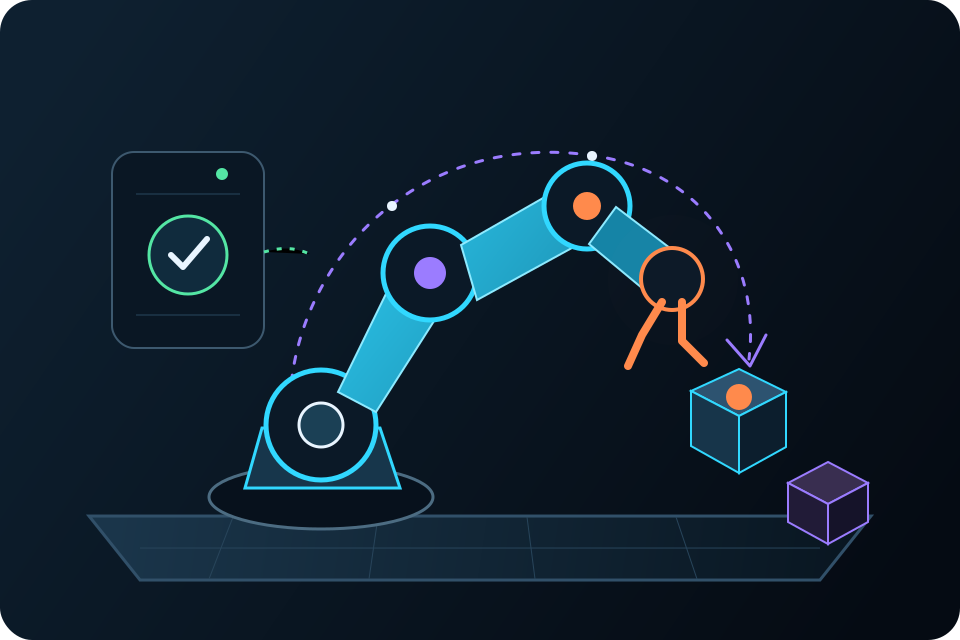
PrometheOS makes the working loop visible: a physical event becomes state, logic chooses a response, an output acts, and diagnostics inform the next revision.
Machine perception
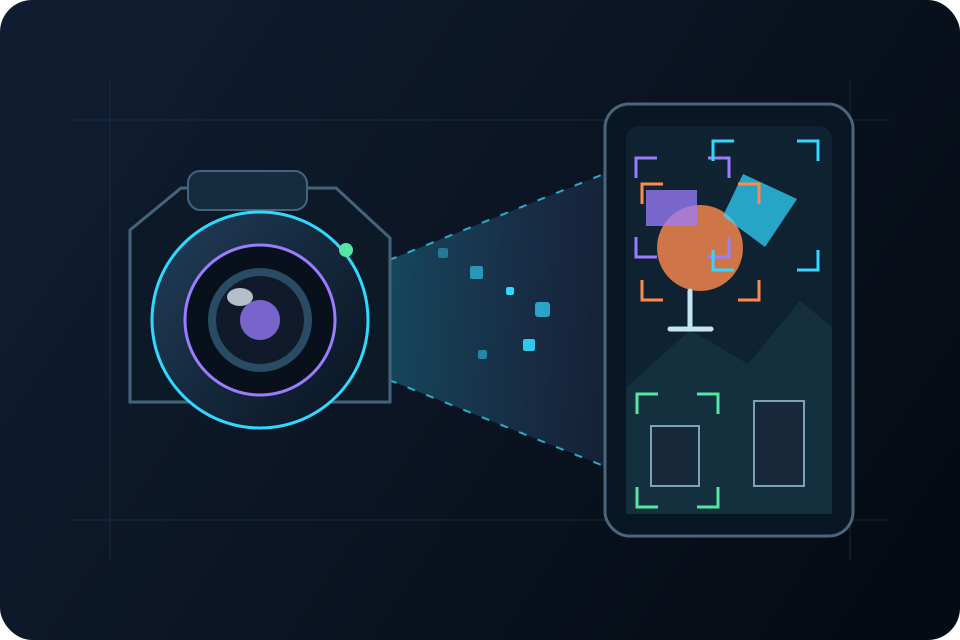
Cameras can produce QR, ArUco, barcode, and other visual events. Optional object-detection events extend that work when the program and local policy support them.
Identity and access
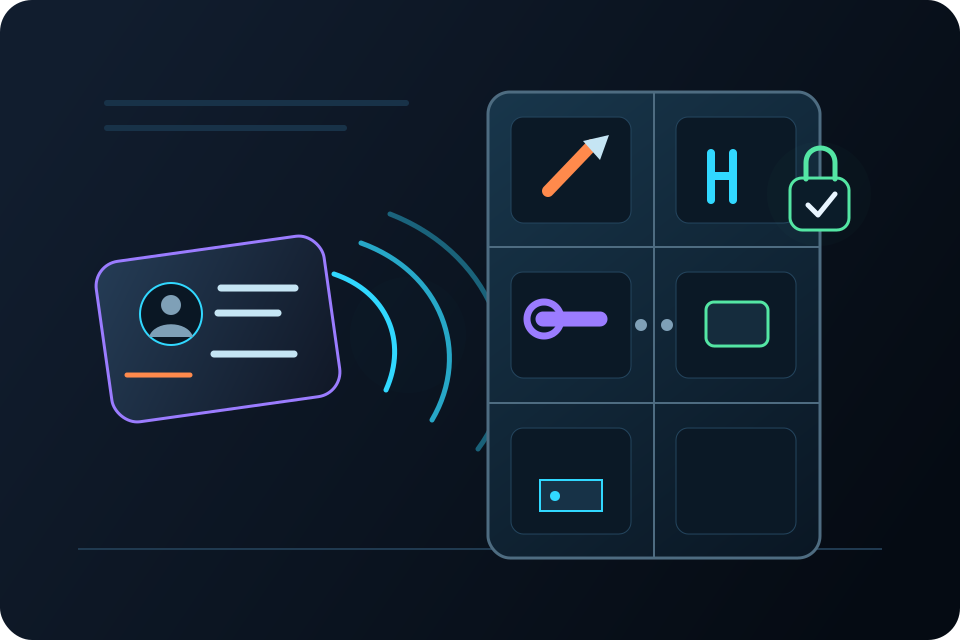
RFID projects let students examine the difference between recognizing a credential and authorizing an action. Access rules and event records make the decision path concrete.
Audio and human interaction
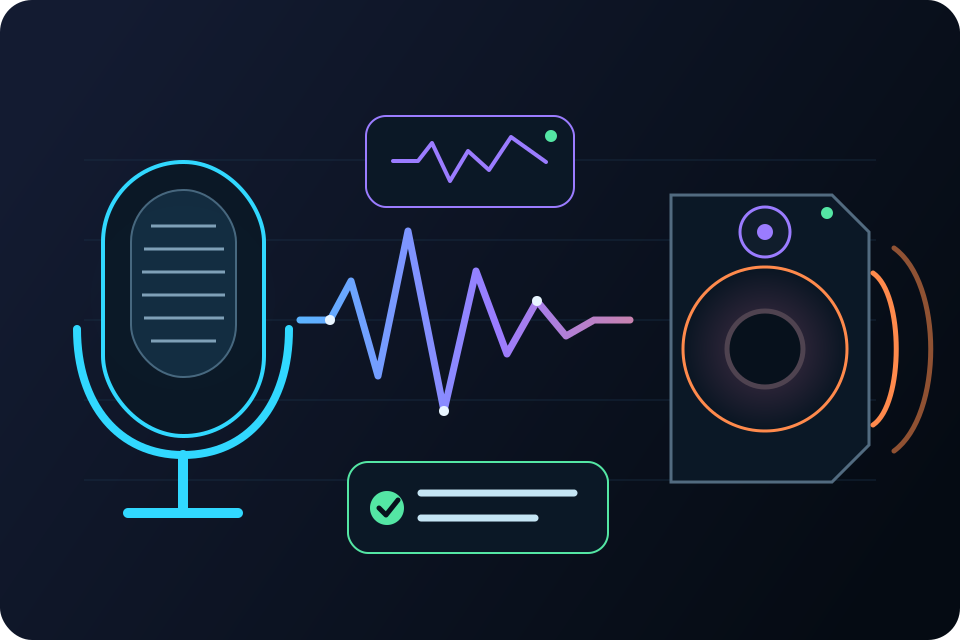
Projects can add clips, alerts, prompts, playback, and voice interaction. Students can reason about feedback and accessibility alongside the technical behavior.
Distributed sensing
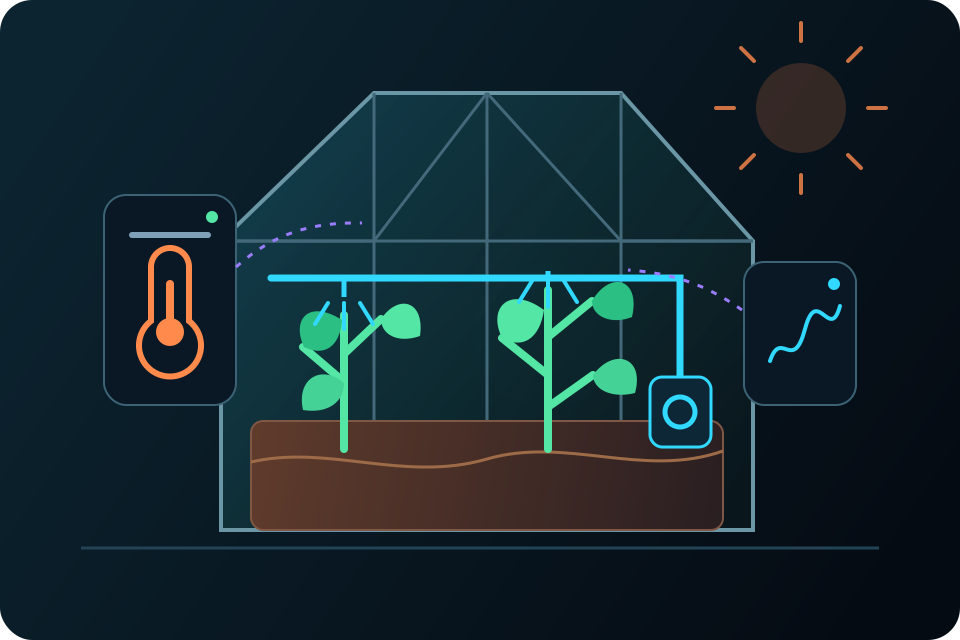
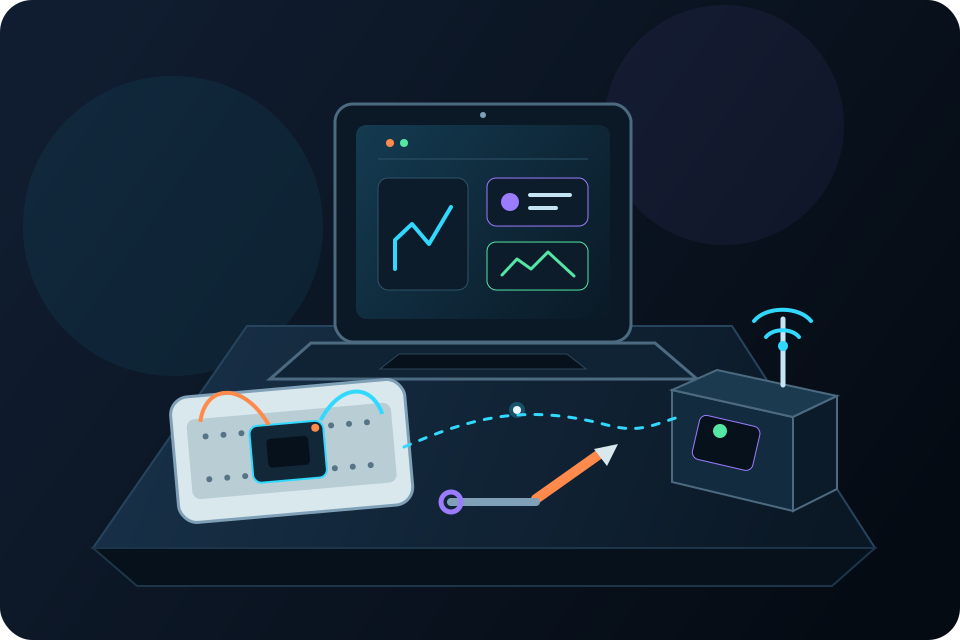
Distributed ESP32 nodes can bring temperature, humidity, water level, air-quality, and other sensor states back to the local classroom hub.
Local operation and recovery
The Orange Pi classroom hub acts as the always-running local server. It connects distributed microcontroller nodes, exposes browser-based control surfaces, records operational diagnostics, and supports project import/export.
Schools should evaluate advanced integrations against local policy, supervision, access, and network requirements.
Progressive technical ownership
As projects demand more, students can follow the system downward into the technical layers that make it work.
Start a conversation
Tell us what your students want to build and what equipment your program already has.